
President Trump declared the U.S.–Iran ceasefire “over” as both sides traded strikes that rattled oil markets and global shipping.
Story Snapshot
- Trump said the ceasefire is “dead” after attacks on commercial ships near the Strait of Hormuz.
- U.S. Central Command said it struck more than 80 Iranian targets in coastal areas and islands.
- Iran said the United States broke the deal and targeted U.S. military sites in Bahrain and Kuwait.
- Sanctions on Iranian oil returned, and markets reacted with rising crude prices.
What Triggered Trump’s Move
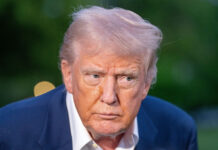
President Trump told reporters at a North Atlantic Treaty Organization summit that the Iran ceasefire was “over” and “dead,” citing attacks on three commercial ships near the Strait of Hormuz in recent days. United States officials blamed Iran’s forces for those strikes, though independent proof that Tehran directly ordered them remains unclear. Trump also reversed a key concession by restoring sanctions on Iranian oil sales, signaling a hard turn from talks to pressure.
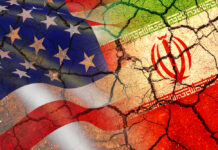
Iran’s chief negotiator posted that the United States violated the ceasefire, arguing Washington initiated military action first and broke the terms. That message set the tone for Tehran’s public case that its actions followed United States attacks rather than started them. The clash over who broke the deal now shapes global reaction. Allies debate intent, proof, and proportionality, while shippers adjust routes and insurers reprice risk as threats multiply near a vital chokepoint.
Military Strikes and Retaliation
United States Central Command said forces targeted more than 80 Iranian sites, including air defenses, radars, and anti-ship missile positions around key coastal hubs and nearby islands. Those strikes aimed to stop further hits on commercial vessels and to restore deterrence in the Strait of Hormuz. Iran’s Revolutionary Guard then announced it targeted United States military locations in Bahrain and Kuwait, framing its response as retaliation for the United States action. The exchange showed how fast a fragile truce can crack once shots are fired.
Analysts quoted by major outlets cast the United States strikes as a push to reset deterrence and bring Iran back to talks, not to open a wider war. But both sides’ messages to domestic audiences tell another story: strength, resolve, and no backing down. That mix can box leaders in. When each side vows to punish the other, small incidents risk turning into big ones, especially in the narrow Strait of Hormuz where ships, drones, and missiles share the same lanes.
Unsettled Facts and Disputed Terms
Key facts remain in dispute. Reporters said Iran hit commercial ships, but whether Tehran commanded every strike or used proxies is not independently verified. The memorandum of understanding that set the ceasefire is not public in full, and experts say its Strait of Hormuz terms are vague. Iran claims a role in overseeing safe shipping with Oman and warned ships to use northern routes, which it says fits the deal. The United States rejects that reading.
Trump’s team had signaled the ceasefire might hold if no United States troops were killed. His public end to the deal followed ship attacks, not troop deaths, and came during what some described as a 60‑day extension window. Those gaps fuel charges on both sides: Washington argues Iran menaced global trade; Tehran argues Washington broke its word. Without the full text and shared enforcement rules, these arguments will keep clashing in press rooms and at sea.
Why This Matters for Americans
Escalation near the Strait of Hormuz threatens energy costs at home. Oil prices rose after the announcement, and shippers face higher insurance and rerouting costs that can pass through to gas and goods. Families already stretched by inflation feel it first. Veterans and active-duty families watch the cycle of strike and counterstrike and ask whether goals are clear, rules are fair, and plans put American lives and wallets first rather than increase concerns about prolonged military commitments and their economic costs.
Despite Trump declaring the ceasefire "over" at NATO, the U.S. is still holding "technical talks" with Iran's regime. So which is it? The mixed messaging undermines credibility when deterrence matters most… #Iran #Trump #NationalSecurity #ForeignPolicyhttps://t.co/sCf5hDOvc4
— @GlobalRightWatch (@AutonomusRepost) July 10, 2026
Both major parties say they back American security, yet Washington often defaults to opaque deals and sudden reversals that leave the public in the dark. People across the spectrum suspect the system serves insiders before citizens. Clear goals, published terms, and verified evidence would help rebuild trust. Releasing the ceasefire text, damage reports, and proof of who ordered ship attacks would let voters judge the case for force and the path back to talks.
Sources:
military.com, cbsnews.com, wsj.com, youtube.com, bbc.com, reuters.com