
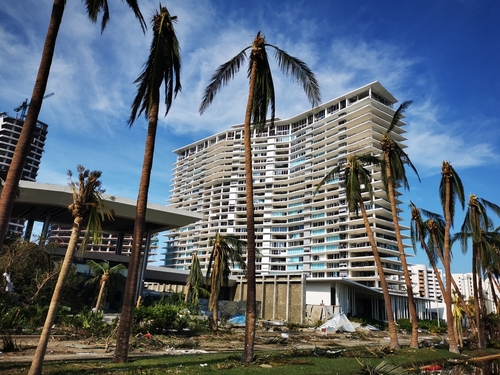
As Super Typhoon Bavi barrels toward Taiwan and China, many Americans are only now learning that this monster already slammed U.S. territory in the Pacific with Category 5 force and left key questions about federal support hanging in the air.
Story Snapshot
- Super Typhoon Bavi hit the U.S. island of Rota with Category 5 winds around 180 mph, one of the strongest direct strikes on American soil ever recorded.
- Guam and other Northern Mariana Islands saw record rain, extreme gusts, and widespread damage, yet early reports say there were no deaths.
- Media rushed to push climate narratives while hard information on damage costs, recovery plans, and long-term aid for these U.S. citizens remains thin.
- Bavi now threatens Taiwan and China, raising fresh concerns about global supply chains, energy costs, and how much help America will offer its own territories versus foreign governments.
Rare Category 5 Strike On U.S. Soil Shows Island Vulnerability
Super Typhoon Bavi made direct landfall on the U.S. island of Rota in the Northern Mariana Islands with sustained winds well over 150 miles per hour, equal to a Category 5 hurricane. The National Weather Service warned of “catastrophic damage” and a “life threatening situation” as the western eyewall moved over the island. The Joint Typhoon Warning Center and media partners reported peak winds around 180 miles per hour and pressure near 910 to 901 millibars, putting Bavi among the most intense storms ever to hit American territory. For context, Washington Post reporting notes this kind of direct Category 5 hit on U.S. soil has only happened a handful of times in recorded history, underscoring how unusual and dangerous this event was.
Local forecasts before landfall warned that parts of Rota could be “uninhabitable for weeks, perhaps longer,” with non-concrete homes facing total roof loss and wall collapse. Officials expected nearly all trees to be snapped, many power poles to be down, and roads blocked by debris. Radar and satellite imagery shared by weather outlets showed Bavi’s eye swallowing the small island, with winds near 180 miles per hour as data feeds from Guam and nearby stations started to fail. This picture matters for mainland readers because it shows how exposed U.S. territories are when an extreme storm hits, and how dependent they are on distant federal agencies for backup power, supplies, and rebuilding support.
Guam And Neighbor Islands Endure Record Rain And Power Loss
While Rota took the direct hit, the nearby island of Guam and other Northern Mariana Islands also faced dangerous conditions as Bavi passed. The National Weather Service issued typhoon and flash flood warnings for Guam, Rota, Tinian, and Saipan, with tropical storm warnings for other islands in the region. One forecast called for storm surge up to six feet, with wind-driven water potentially reaching fifteen feet in spots and offshore waves in the twenty-five to thirty-five foot range, a serious threat to coastal homes, ports, and roads. On Guam, Fox Weather reported a new daily rainfall record of 12.64 inches and top wind gusts of 111 miles per hour, with Saipan also measuring gusts at 111 miles per hour. Early reports describe widespread power outages and damage across these islands but, importantly, no deaths so far, which suggests local families took warnings seriously and used shelters despite limited resources.
Communication from Rota has been difficult, which leaves a gap in hard data about the full level of destruction. Local authorities have confirmed major damage but have not yet shared clear numbers on destroyed homes, public buildings, or roads. There are still no verified dollar figures for property loss, infrastructure repair, or evacuation costs in public reports. For conservative readers, this missing information raises fair questions: How quickly will federal agencies provide full damage assessments? Will the same bureaucracy that drags its feet on border security and wasteful spending move fast when a small island of U.S. citizens needs help? These islands sit on the front line of both Pacific storms and regional security, yet their status often slips far down the priority list in Washington coverage.
Media Focus On Climate Story While Federal Recovery Plans Stay Murky
Major outlets like Al Jazeera, Fox Weather, and Yale Climate Connections all framed Bavi as a Category 5 super typhoon from the start, stressing its record strength and large wind field. That framing matches real-time data and reflects a serious threat, but it also fits a broader media pattern where intense storms quickly become proof points in climate debates before ground teams can fully verify damage. Yale Climate Connections, for example, tied Bavi’s rapid intensification to warm Pacific waters and El Niño conditions, similar to earlier coverage of Typhoon Sinlaku and other recent super typhoons. Climate science and trends are real topics, yet heavy focus on those angles can overshadow practical questions island families are asking right now about housing, power, jobs, and direct aid.
Typhoon Bavi, with winds exceeding 200 km/h, is heading towards Taiwan and Japan after hitting US Pacific island of Guam pic.twitter.com/20u9iSlEpM
— TRT World Now (@TRTWorldNow) July 10, 2026
Social media clips and posts have amplified dramatic images from Bavi, including drone footage, radar loops, and shots of flooded streets and flipped cars. Some posts even show confusion over storm naming, with “Bolaven” or “Bavic” mentioned instead of “Bavi,” hinting at the kind of mixed messaging that can hurt public trust during emergencies. At the same time, there has been little clear public talk from territorial governments or federal agencies about long-term recovery plans or specific funding commitments for rebuilding in Rota and the Northern Marianas. In a Trump-era government that promises America First, conservative readers expect these U.S. citizens to see strong, timely support, not to watch Washington race to fund climate conferences and overseas projects while island communities wonder how they will repair schools, churches, and water systems.
Why Bavi’s Path Toward Taiwan And China Matters For American Interests
After hitting Rota and battering Guam, Bavi remained a powerful storm as it moved northwest across the Pacific, still holding winds over 150 miles per hour. Forecasts now suggest Bavi will weaken but could still reach Taiwan and then mainland China as the equivalent of a Category 2 hurricane, bringing heavy rain, flash floods, and landslides. That path moves straight across key global trade routes, technology hubs, and energy corridors. Damage to ports, chip factories, or power lines in Taiwan and coastal China can ripple out to American consumers through higher prices, supply delays, and more pressure on already fragile energy markets. For conservatives already dealing with inflation, high energy costs, and fragile supply chains after years of globalist policies, another major storm disrupting Asia is not just a distant weather story; it is a reminder of how fragile our systems are when we depend too much on foreign production.
As Bavi’s long track and rare intensity grab headlines, the deeper lesson is about priorities. The same Washington class that quickly pushes climate talking points and federal spending overseas must be pressed to show real care for American citizens in places like Rota, Guam, and Saipan. That means honest damage numbers, clear timelines for restoring power and schools, and transparent plans for rebuilding stronger infrastructure without waste and pork. It also means keeping an eye on how events like Bavi are used to justify new regulatory pushes, energy mandates, or international climate deals that raise costs for working families while doing little to fix emergency response on the ground. When a Category 5 storm hits U.S. soil, the story should first be about protecting and helping our own people, not about giving more power to global bureaucrats.
Sources:
youtube.com, aljazeera.com, kxan.com, yaleclimateconnections.org, facebook.com, foxweather.com