A broad-daylight shooting at one of Mexico’s most famous tourist sites exposed how quickly “safe” public spaces can turn into death traps when security fails.
What happened at Teotihuacán—and why the location mattered
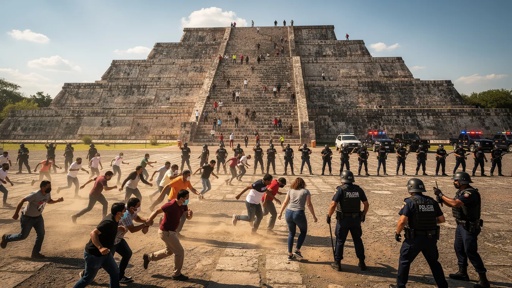
Mexican authorities say the attack unfolded around 11:30 a.m. local time at Teotihuacán, roughly 30 miles northeast of Mexico City, when a gunman climbed the Pyramid of the Moon and began firing toward tourists below and nearby. Witness descriptions indicate the shooter fired roughly 20 to 30 rounds, shifted positions, and reloaded as people scrambled for cover. The pyramid’s steep steps and limited routes down intensified the panic and danger.
Officials reported one Canadian tourist was killed and at least 13 others were injured, with victims spanning multiple nationalities, including Americans. Some injuries were tied to the chaotic escape—people falling or being trampled while trying to get off the structure—though the available public reporting does not fully break down how each victim was hurt. By Monday night, several victims were still hospitalized, underscoring that the toll went beyond the initial headlines.
What investigators know about the gunman so far
Mexican prosecutors identified the alleged shooter as Julio César Jasso Ramírez, 27, from Mexico City. Authorities say he died by suicide at the scene, ending the immediate threat but leaving investigators to reconstruct motive and planning from witness accounts and physical evidence. Reports indicate the incident began with an argument before shots were fired, but no public source in the provided research confirms a specific ideological motive, political affiliation, or larger network behind him.
Mexican officials said investigators recovered a firearm, ammunition, and a knife, which will likely shape the investigative timeline: where the weapon came from, how it was transported into a major tourist site, and what security screening—if any—failed. Public reporting in the research set does not provide details on the weapon type, purchase history, or whether the shooter had prior criminal contacts. With limited confirmed information, the strongest conclusion right now is simply that the attack was opportunistic and devastating.
International fallout and official reactions
The shooting immediately became an international incident because the victims were foreign visitors at a world-famous destination. Canada’s foreign affairs minister publicly confirmed that a Canadian was killed and another was wounded, while U.S. officials expressed concern and offered support to Mexican authorities. Mexico’s president also issued a statement expressing sorrow. Those responses matter because they put pressure on Mexican federal and state agencies to provide transparent updates, victim assistance, and credible security reforms.
The bigger issue: public safety, open access, and predictable overreach
Teotihuacán is a cultural treasure that depends on open public access, but the attack highlights a hard reality: iconic sites attract crowds, and crowds attract predators. After incidents like this, governments often respond with sweeping security changes that can turn ordinary travel into a maze of checkpoints and restrictions. Conservatives tend to recognize a basic truth here—law-abiding families pay the price when authorities fail to stop threats early, and the “solution” becomes more bureaucracy rather than competent enforcement.
Gunman Opens Fire from Top of Teotihuacán Pyramid in Mexico — One Tourist Killed, Dozens Injured in Shocking Attack
READ: https://t.co/GfBTGuBcF6 pic.twitter.com/b0Gj5LT1Ez
— The Gateway Pundit (@gatewaypundit) April 21, 2026
At the same time, the research available does not yet show what new security measures Mexico will adopt at Teotihuacán or whether failures were due to staffing, screening, training, or policy. What is clear is that the pyramid’s design created a tactical advantage for an attacker: elevation, limited exits for victims, and dense foot traffic. Until investigators release more confirmed details—especially how the weapon got in—tourists and officials are left with an unsettling lesson about vulnerability in crowded public landmarks.
Sources:
Mexico shooting at Teotihuacan pyramids
2026 Teotihuacan pyramids shooting