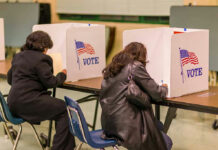

After voters passed Proposition 36 by a wide margin, California leaders funded only a fraction of what counties say they need to enforce it.
Story Highlights
- Counties said Prop 36 needs about $250 million yearly; the 2025-26 budget set aside $65 million.
- Governor Gavin Newsom’s May 2026 budget revision proposed zero new Prop 36 dollars before pushback.
- Law enforcement groups issued a joint rebuke, saying Newsom “turned his back” on enforcement.
- State later advanced mixed funding signals: $127 million in grants tied to Prop 36 and Prop 47 and a legislative plan for $110 million.
Voter Mandate Meets Budget Gap
California voters approved Proposition 36 with strong support in 2024. Counties and law enforcement groups said they needed about $250 million each year to carry it out. The 2025-26 state budget set aside only $65 million, far below that target. Local officials argued the shortfall made it hard to add staff, expand treatment slots, and upgrade court systems designed to handle new cases. They warned the funding gap could blunt the measure’s promise and frustrate public expectations.
Governor Gavin Newsom opposed Prop 36 during the campaign and has argued the initiative included no funding source. He called it an “unfunded mandate” and pointed to expected savings from Proposition 47 as a way to pay for it. In May 2026, his revised budget proposal initially set aside no new money for Prop 36, prompting sharp protests from Republican lawmakers and local officials who said the move ignored voters and strained county budgets.
Law Enforcement Pressure And Mixed Signals On Money
Law enforcement leaders responded with a public, unified rebuke. The California District Attorneys Association, the State Sheriffs’ Association, and the Chief Probation Officers said Newsom “turned his back” on communities by not committing funding. They argued counties need resources to arrest, prosecute, supervise, and treat people under the measure. Their stance increased pressure at the Capitol and raised questions about whether state leaders were honoring the voter mandate or shifting costs to local taxpayers.
The funding picture grew more complex over time. In September 2025, the state announced $127 million in grants tied to both Prop 36 and Prop 47 programs, signaling partial support but not a dedicated stream at the size counties requested. Later negotiations in the Legislature produced a plan to provide about $110 million for enforcement, which supporters cast as a step forward but still shy of local estimates for full implementation. These moves showed activity, yet not the scale counties said was required.
Implementation Strains And A Wider Pattern In California
County leaders said underfunding shows up first in court backlogs, probation caseloads, and treatment access. A study found only 25 of 771 people placed into treatment under Prop 36 completed it during an early review period, suggesting weak results and possible design issues beyond just dollars. That outcome fueled debate over whether the state should fix program rules, add treatment capacity, or both. Supporters of more funding said weak performance reflects thin resources and unclear guidance.
This fight fits a larger pattern in California. Voters often pass measures that require new local work but include no funding. The state has a long record of delaying or disputing reimbursements, which has produced billions in unpaid claims and recurring legal fights over what the state must cover. That structure creates predictable friction: counties seek money to meet mandates, while governors cite budget limits or alternate savings to contain costs. Prop 36 has become the latest flashpoint.
What It Means For Voters And Public Safety
People who voted for tougher rules expected faster action and safer streets. People who worry about government waste expected clear plans and proof that programs work. Today, both groups see a gap. The state offered some funds, but counties say it is not enough to make the law real in courtrooms, jails, and clinics. Until leaders settle the money, staffing, and treatment capacity, Prop 36 will sit in a gray zone where voter intent, budgets, and results do not fully line up.
Sources:
nypost.com, gov.ca.gov, growsf.org, sacbee.com, reddit.com, calbudgetcenter.org, lao.ca.gov