
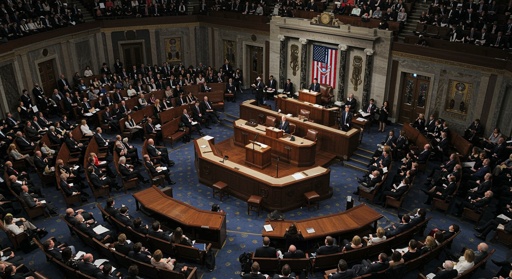
Senate Republicans decisively crushed efforts to halt Trump’s arms sales to Israel, exposing deep Democratic fractures on a policy vital to American security interests.
Senate Rejects Bulldozer Sale Block
The U.S. Senate voted 59-41 against a resolution blocking a $295 million sale of bulldozers to Israel. Senator Bernie Sanders introduced the measure, claiming the equipment would demolish homes in the occupied West Bank, Gaza, and Lebanon. Forty Senate Democrats supported the block, marking record opposition within their caucus. Republicans stood united, ensuring the sale proceeds unhindered. This outcome bolsters Israel’s security operations backed by the Trump administration.
Bomb Sale Resolution Fails Overwhelmingly
Senators rejected another resolution targeting 1,000 lb bomb sales to Israel by a 63-vote margin. Thirty-six Democrats backed the block, but seven Democrats aligned with Republicans to defeat it. The vote underscores congressional commitment to U.S.-Israel military cooperation. Critics highlight humanitarian risks in occupied territories, yet Republican solidarity prevailed. Trump’s arms policy advances without interruption, prioritizing alliance strength over internal Democratic dissent.
War Powers Vote Reinforces Trump Authority
The Senate dismissed a War Powers Resolution limiting President Trump’s Iran military action authority, 52-47. Senator Rand Paul stood alone among Republicans in favor; Senator John Fetterman was the sole Democrat against. This rejection preserves executive flexibility in regional threats. Republicans view it as essential for deterring Iran amid West Asia tensions. The aligned votes signal unified GOP support for Trump’s proactive defense stance.
Democratic Party Divisions Exposed
Forty of 47 Senate Democrats voting to block arms sales represents 85% caucus opposition, a historic shift called “absolutely historic” by observers. Seven Democrats defected, caucusing with Republicans to sustain sales. This split reveals growing party rifts on Israel policy, contrasting Republican cohesion. From a conservative viewpoint, such unity reflects common-sense prioritization of reliable allies over unproven humanitarian qualms lacking full context.
Senate Republicans back Trump military sales to Israel https://t.co/WH59rmCGs8
— Military Times (@MilitaryTimes) April 16, 2026
Historical Pattern of Failed Blocks
Senator Sanders previously led similar resolutions in 2024 and 2025, all rejected by the Senate. Ongoing West Asia conflicts fuel debates, balancing Israel’s security needs against civilian impact claims. Republicans consistently defend aid as critical to U.S. interests and regional stability. These votes affirm long-term policy continuity under Trump, resisting pressures that could weaken a key partner.
Implications for U.S. Foreign Policy
Sales proceed, reinforcing Trump’s Middle East strategy and Israeli operations. Short-term, equipment bolsters defenses; long-term, debates persist on aid’s humanitarian effects. Affected parties include Israeli forces, Palestinian areas, and West Asia stability. Politically, GOP unity shines against Democratic discord, upholding conservative values of strong alliances and measured support grounded in strategic necessity.
Sources:
TIME Magazine: Confirmed seven Democrats joined Republicans in opposing blocking measures
Dawn: Cited Al Jazeera reporting on historic Democratic opposition