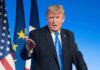

Los Angeles Mayor Karen Bass says President Trump’s policies are to blame for a fresh rise in homelessness, even as the city’s own count shows the increase followed two years of decline under her watch.
Story Snapshot
- Los Angeles homelessness rose 3.4% in the city and 1.2% countywide in 2026, ending a two-year drop.
- Mayor Bass blames federal funding cuts and cost-of-living pressures tied to the Trump administration.
- People sleeping in cars, tents, or on the street jumped nearly 8% in the city this year.
- Los Angeles has spent more than a billion dollars fighting homelessness with mixed results for years.
- Housing experts have long pointed to rent and wages, not any single president, as the main driver.
New Count Shows Progress Stalling
The Los Angeles Homeless Services Authority released its 2026 Greater Los Angeles Homeless Count last week. It found homelessness in the city climbed 3.4%, reaching 45,194 people. Countywide, the number grew a smaller 1.2%, landing near 73,040 people. Both figures reverse two straight years of falling homeless counts, which city leaders had pointed to as proof their strategy was working.
People living unsheltered, meaning in tents, cars, or on sidewalks rather than in shelters, rose even faster. Unsheltered homelessness jumped 3.3% across the county and nearly 8% within the city itself, according to figures shared with CBS News Los Angeles. That number had fallen 14% since 2023, making this year’s reversal notably steep after real momentum.
Bass Points To Washington
Mayor Bass responded to the numbers by blaming federal and state funding decisions rather than her office’s approach. She described “unbelievable uncertainty” coming from the federal government and said cuts hurt the city’s ability to keep people housed. Critics, including the New York Post, called her response a “pathetic excuse” given the scale of local spending already poured into the crisis.
One real funding change did happen locally. The Los Angeles Homeless Services Authority says state cuts to a rental subsidy program reduced how many people could move into permanent housing this year. That program helped keep newly homeless residents from ending up on the street. Officials also noted a 30% jump in people newly seeking homeless services between 2022 and 2025, a trend that predates any single funding cut.
A Debate With Decades of History
Los Angeles officials have blamed outside economic forces for rising homelessness through multiple administrations and multiple presidents. Back in 2017, homeless officials and political leaders pointed to “steadily rising housing costs and stagnant incomes” as the underlying cause, long before Trump first took office. The explanation offered this year echoes that same pattern almost word for word.
Independent reporting backs the affordability argument to a point. The BBC found the city’s homeless population grew 33% over a four-year stretch, concluding that “money is at the root of the city’s homeless crisis,” driven by jobs that pay too little and housing that costs too much. Half of homeless residents surveyed said job loss, not any federal policy, left them unable to pay rent.
That history cuts both ways for Bass. It supports her claim that broad economic forces genuinely shape homelessness numbers. But it also means Los Angeles has repeated this same finger-pointing cycle for years, regardless of which party controlled the White House, raising the question of why billions in local and state spending have not solved a problem experts have described consistently for over a decade.
Public Frustration Cuts Across Party Lines
Reaction online reflects a wider distrust of government explanations from both sides of the aisle. Some critics accused Bass of dodging accountability after promising to end street homelessness by 2026, a goal clearly not met. Others noted the city has “run out of local people to blame,” having previously cited landlords, wages, and drug policy before turning to Washington.
🚨 Karen Bass promised to end street homelessness in LA by 2026.
It’s 2026.
⁰Homelessness is up.
⁰Unsheltered is up nearly 8%.Her response? Blame Trump. Blame bureaucrats. Blame everyone but herself.
Wall Street Journal: She blew hundreds of millions on programs that… pic.twitter.com/aMTKTf7UKY
— Trent Leisy (@realTrentLeisy) July 26, 2026
Whatever the true mix of causes, the numbers themselves are not in dispute. Homelessness in Los Angeles is rising again after real gains, and residents living on the street face another year without answers. For a city that has spent over a billion dollars fighting this crisis, many taxpayers on both the left and right are asking the same basic question: who is actually accountable for results?
Sources:
bbc.com, losangelesmission.org, mynewsla.com, abc7.com, laist.com, youtube.com