
Police say a young Los Angeles mother killed her husband and two children, including a six-day-old infant, before dying by suicide—another tragic case where the public narrative formed before investigators released a full forensic record [1][2][3].
Story Snapshot
- Los Angeles detectives are investigating the North Hills deaths as a murder-suicide, with the mother identified as the suspected shooter [1][3].
- The county medical examiner released identities consistent with the early police narrative and classified the deaths accordingly [2][4].
- Local outlets amplified the initial framing while noting that a complete investigative file has not been disclosed [1][2][3].
- The case highlights recurring concerns about mental health, guns in the home, and quick official narratives after family killings [1][2][3][4].
What Police And Officials Have Confirmed So Far
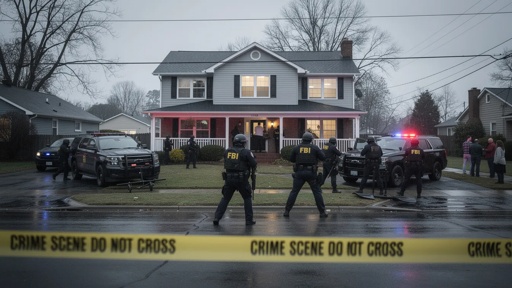
Los Angeles Police Department homicide detectives stated they are treating the North Hills case as a murder-suicide and believe the mother shot her husband and two children before turning the gun on herself [1][3]. The Los Angeles County medical examiner released the identities of the adults and children and indicated the pattern of deaths aligns with the investigative framing described by detectives [2][4]. Initial reports describe a contained household scene with no outstanding suspect, a frequent indicator used in early conclusions about domestic family killings [1][2].
Local coverage identified the mother as Marine Basmajian, age 30, and reported that the victims include her husband, Khajag Basmajian, and the couple’s two young children, one of whom was a six-day-old infant [2][3][4]. Broadcast segments and digital reports repeated that detectives believe the mother was the shooter while emphasizing that the investigation remained active as authorities processed evidence and timelines. These outlets did not release a comprehensive forensic file, consistent with normal practice in the early phase of homicide inquiries [1][2][3].
Why Early Narratives Form Before Full Files Are Public
Domestic murder-suicide cases commonly reach the public with provisional labels such as “apparent” or “suspected,” because officials brief media before issuing a completed investigative report [1][2][3]. Reporters often cite three elements when describing early conclusions: the absence of a suspect at large, deaths by gunshot wounds within a closed scene, and classifications from the medical examiner that distinguish homicides from self-inflicted death [1][2]. Those elements appear in North Hills coverage, shaping a narrative that may harden long before the full evidentiary record is published [1][2][3][4].
Community members, grieving relatives, and the broader public are left to process the story through short official statements and repetitive headlines that mirror police briefings. That communication pattern fuels criticism across the political spectrum about institutional transparency and the pace of public disclosure in violent family tragedies. While investigators prioritize accuracy over speed, residents frequently see conclusions first and detailed documentation later, if at all, which can deepen skepticism toward government explanations in high-profile cases [1][2][3].
The Broader Public Concerns This Case Touches
The North Hills killings intersect with widely shared worries about mental health support for new parents, access to firearms in the home, and the limits of social services that might identify extreme stress before violence occurs. Conservatives often focus on crime control and decisive enforcement, while liberals tend to emphasize prevention and care. Both groups, however, question whether government systems—law enforcement, healthcare, and child welfare—communicate effectively enough to prevent tragedies like this one from escalating unnoticed [1][2][3][4].
Family of killer California mom who slaughtered husband and 6-day-old reveals chilling final hours before bloodbath
By Daniel Farr
Published June 6, 2026, 10:52 p.m. ETA California family’s joyful gathering just hours after welcoming a newborn turned into a horrifying… pic.twitter.com/8R6p2YuXHC
— Carolyn Rockey (@CarolynWRockey) June 7, 2026
Media amplification without a simultaneously released investigative record also reinforces bipartisan frustration over institutional accountability. Viewers see a tight loop: police frame, media echo, and public acceptance, followed by a long silence as case files remain sealed for months. In North Hills, the core facts officials shared are clear and consistent across outlets, but unanswered questions—about motive, prior warning signs, and the precise sequence—remain pending until authorities publish more of the evidentiary picture [1][2][3][4].
Sources:
[1] Web – Family of killer California mom who slaughtered husband and 6-day-old …
[2] Web – Evidence suggests L.A. mom pulled trigger in murder-suicide that …
[3] Web – Identities released in North Hills murder-suicide – Los Angeles Times
[4] Web – North Hills murder-suicide: Mother identified after allegedly shooting …